

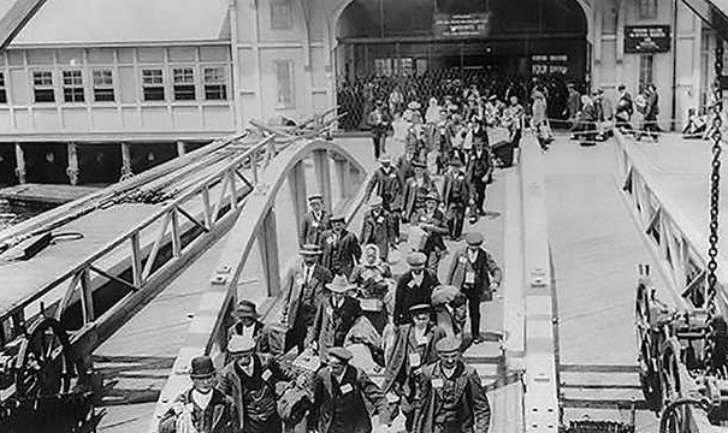
She Has Arrived!
Ellis Island is a historic site that served as the gateway for millions of immigrants to the United States from 1892 to 1954. Located in New York Harbor, near the Statue of Liberty, it played a crucial role in shaping the nation’s cultural and demographic landscape.

Historical Background
Early History
Pre-Immigration Center: Before becoming an immigration station, Ellis Island was known as Little Oyster Island and used for various purposes, including a military fort.
Immigration Station: The federal government established Ellis Island as an immigration station, opening on January 1, 1892. The first immigrant processed was Annie Moore, a young girl from Ireland.
Immigration Era
Processing Immigrants
Arrival: Immigrants arrived by ship and were ferried to Ellis Island for processing.
Medical Inspections: New arrivals underwent medical examinations to check for diseases or physical ailments. Those deemed unfit were either treated or sent back to their countries of origin.
Legal Inspections: Immigrants were questioned about their background, destination, and ability to support themselves in the U.S. Those who passed both inspections were allowed to enter the country.
Peak and Decline
Peak Years: The busiest year was 1907 when over one million immigrants were processed.
Changes in Immigration Laws: The Immigration Act of 1924 and subsequent laws imposed quotas and stricter entry requirements, reducing the number of immigrants processed through Ellis Island.
Closure: The station officially closed in 1954, after which it fell into disrepair.
Restoration and Museum
Restoration Efforts
Ellis Island Restoration: In the 1980s, a significant restoration project was undertaken, funded by private donations and public funds.
Reopening: Ellis Island was reopened to the public as a museum on September 10, 1990.
The Ellis Island National Museum of Immigration
Exhibits: The museum offers exhibits on the history of immigration, personal stories of immigrants, and the role of Ellis Island in American history.
Research Center: It houses an extensive archive of passenger records, allowing descendants to trace their ancestors’ journeys.
Cultural Significance
Symbol of American Heritage
Melting Pot: Ellis Island symbolizes the diversity and cultural richness of the United States, reflecting the experiences of the many ethnic groups that have contributed to the nation’s development.
Statue of Liberty: Nearby Liberty Island, home to the Statue of Liberty, complements Ellis Island as an iconic representation of freedom and opportunity.
Personal Stories
Family Histories: Many Americans have ancestors who passed through Ellis Island, making it a site of personal significance for millions of people.
Educational Programs: Schools and institutions use Ellis Island to educate about immigration history, cultural assimilation, and the contributions of immigrants to American society.
Visiting Ellis Island
How to Visit
Access: Visitors can reach Ellis Island by ferry from Battery Park in Manhattan or Liberty State Park in New Jersey.
Tour Options: Guided tours, audio tours, and self-guided visits are available, offering various ways to explore the island and its museum.
Highlights
Great Hall: The main building’s Registry Room, where immigrants were processed, is a central highlight.
American Immigrant Wall of Honor: A wall listing the names of immigrants and their descendants.
Oral Histories: Recordings of personal stories from immigrants and their families.
Conclusion
Ellis Island remains a powerful symbol of American immigration history, reflecting the journeys, struggles, and contributions of millions of individuals who helped shape the nation. Its museum and educational programs continue to preserve and honor this legacy, making it a significant site for understanding America’s diverse heritage.