

Get In the Groove With Some Light Reeding
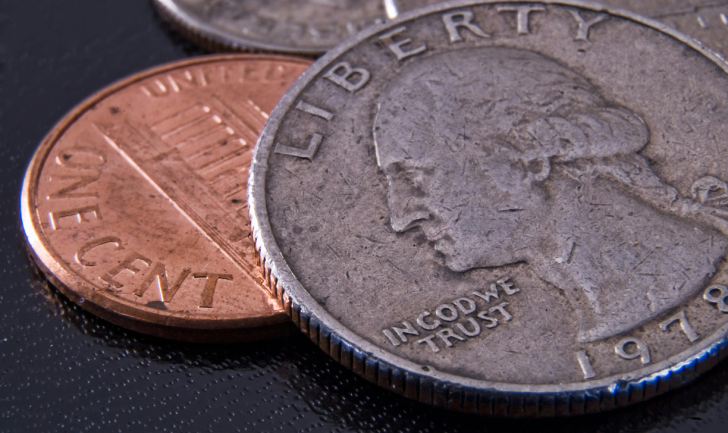
Reeding, also known as milling, refers to the process of creating grooved or ridged edges on coins. These grooves are typically found on the edges of coins made of precious metals, such as silver and gold.

The history of reeding is closely tied to the evolution of coinage and the measures taken to prevent fraud and ensure the integrity of currency.
Ancient and Medieval Times
Early Coins: Coins from ancient civilizations, such as Greece and Rome, were often made from precious metals and valued based on their weight and metal content. These early coins typically had smooth edges.
Coin Clipping: As coins circulated, some people would clip small amounts of metal from the edges, reducing their weight and thus their intrinsic value. This tampering led to efforts to detect and prevent clipping.
Introduction of Reeding
17th Century England: During the reign of Charles II (1660-1685), the process of reeding was introduced as part of broader monetary reforms. The use of milled edges, produced by machinery, was implemented to deter clipping and counterfeiting.
Sir Isaac Newton: As Master of the Mint from 1699 to 1727, Newton played a crucial role in improving coinage security, including the use of reeded edges.
18th and 19th Centuries
United States: The Coinage Act of 1792 established the U.S. Mint and included provisions for reeding on coins such as the half dollar and silver dollar. This was to prevent the widespread issue of clipping.
Technological Advances: The Industrial Revolution brought advancements in minting technology, making it easier to produce coins with uniform reeded edges. This period saw the widespread adoption of reeding in various countries.
Modern Times
Current Practices: Today, reeding is a standard feature on many coins, especially those made from precious metals or higher denominations. It continues to serve as a deterrent against tampering and counterfeiting.
Visual and Tactile Benefits: Beyond security, reeded edges help people distinguish between different coins by touch and provide a more aesthetically pleasing and functional design.
The implementation of reeding reflects a long-standing effort to protect the value and integrity of coinage, demonstrating the ongoing importance of such measures in the history of currency.