

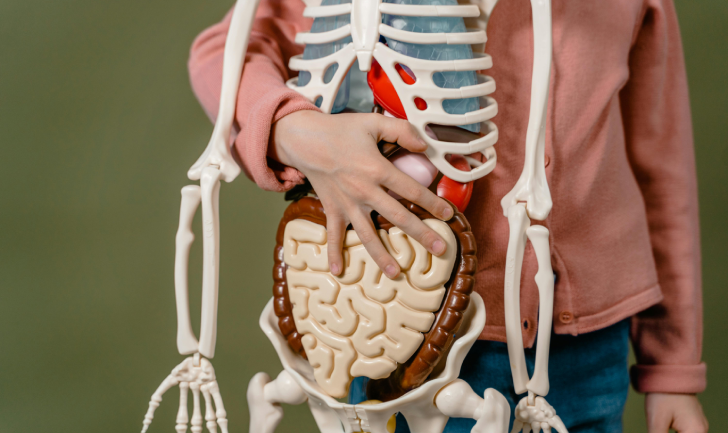
Parts Is Parts – Don’t Get Rid of Them Just Yet!
Some human organs and structures appear to have little or no function in modern humans. These vestigial organs are remnants of our evolutionary past and, while they may have had important roles in our ancestors, they no longer serve critical functions today.

Appendix
Function: The appendix is a small, tube-like structure attached to the large intestine. It is thought to have been part of the digestive system in our herbivorous ancestors, helping in the digestion of cellulose from plant material.
Current Use: In modern humans, it is considered vestigial. However, it may have a minor role in immune function, particularly in the gut’s lymphoid tissue.
Sources: Mayo Clinic, Harvard Health (Handy Hammock) (Yard Life Master).
Wisdom Teeth
Function: Wisdom teeth, or third molars, were useful for our ancestors who had larger jaws and a diet that required more chewing of raw plants and meat.
Current Use: Today, due to changes in diet and jaw size, wisdom teeth often cause crowding, pain, and infection, leading to their removal in many people.
Sources: American Dental Association, National Institutes of Health (Handy Hammock) (Yard Life Master).
Tailbone (Coccyx)
Function: The coccyx is the remnant of a tail from our primate ancestors. It used to help with balance and mobility.
Current Use: In modern humans, it serves as an attachment site for various muscles, tendons, and ligaments, but it is not essential for function.
Sources: University of California Museum of Paleontology, Healthline (Handy Hammock) (Yard Life Master).
Plica Semilunaris
Function: This small fold of tissue in the corner of the human eye is a remnant of a third eyelid, or nictitating membrane, which is still present in some animals and helps protect the eye.
Current Use: It has no significant function in humans today.
Sources: Stanford Medicine, Vision Eye Institute (Handy Hammock) (Yard Life Master).
Palmaris Longus Muscle
Function: This muscle, which runs from the elbow to the wrist, was useful for our ancestors in climbing and grasping.
Current Use: Approximately 14% of the population is born without this muscle, and its absence does not affect grip strength or function.
Sources: National Center for Biotechnology Information, Journal of Hand Surgery (Handy Hammock) (Yard Life Master).
Arrector Pili Muscles
Function: These tiny muscles are responsible for making hair stand on end (goosebumps) in response to cold or fear, helping our furry ancestors appear larger and retain heat.
Current Use: In humans, they no longer serve a significant thermoregulatory or defensive function.
Sources: Biology Online, Smithsonian Magazine (Handy Hammock) (Yard Life Master).