

Chew Your Vegetables Or No Dessert!
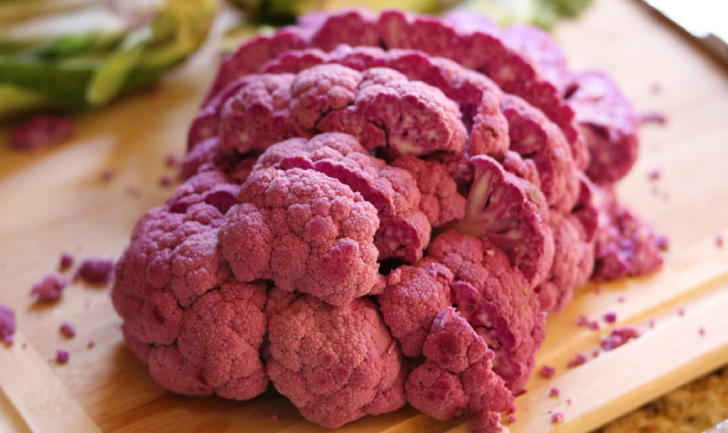
As part of efforts to provide healthier options, McDonald’s has experimented with various food items to appeal to health-conscious consumers and meet the demands for more nutritious choices. In an attempt to make vegetables more appealing to children, McDonald’s experimented with new food concepts. The concept involved creating broccoli that was flavored to taste like bubble gum.

Early Chewing Gum
Ancient Origins:
Ancient Civilizations: Chewing substances made from natural resins and tree saps were used by ancient civilizations, including the Greeks, Mayans, and Native Americans.
Chicle: The Mayans and Aztecs used chicle, a natural gum from the sapodilla tree, as a base for their chewing gum.
Modern Chewing Gum
19th Century:
John B. Curtis: In 1848, Curtis developed and sold the first commercial chewing gum, called State of Maine Pure Spruce Gum, made from spruce tree resin.
Switch to Paraffin: Due to the unappealing taste of spruce gum, manufacturers switched to paraffin wax as a base for chewing gum.
Thomas Adams:
Chicle Introduction: In the late 1800s, Thomas Adams experimented with chicle as a gum base, leading to the creation of Adams New York No. 1, the first chewing gum made from chicle.
Birth of Bubble Gum
Frank H. Fleer and Blibber-Blubber:
Blibber-Blubber: In 1906, Frank H. Fleer, founder of the Fleer Chewing Gum Company, attempted to create a bubble gum called Blibber-Blubber. It was too sticky and failed commercially.
Invention of Double Bubble:
Walter Diemer: In 1928, Walter Diemer, an accountant for Fleer, accidentally created the first successful bubble gum while experimenting with new gum recipes. He called it Double Bubble.
Features: Double Bubble had a pink color (due to limited dye options) and a less sticky, more stretchable texture, making it ideal for blowing bubbles.
Success: Double Bubble became a commercial success and solidified Fleer’s place in the bubble gum market.
Major Brands and Innovations
Bazooka Bubble Gum:
Topps Company: In 1947, the Topps Company introduced Bazooka Bubble Gum, known for its distinctive red, white, and blue packaging and included comic strips featuring the character Bazooka Joe.
Hubba Bubba:
Wrigley Company: Launched in the late 1970s, Hubba Bubba was notable for its large bubbles and softer texture, making it a popular choice among bubble gum enthusiasts.
Bubblicious:
Cadbury: Introduced in the 1970s, Bubblicious offered a variety of flavors and became known for its ability to blow large, long-lasting bubbles.
Modern Era
Diverse Flavors and Innovations:
Flavor Expansion: Over the years, bubble gum manufacturers have introduced a wide range of flavors, including fruit, dessert, and novelty flavors.
Health Trends: Some brands have developed sugar-free and natural versions of bubble gum to cater to health-conscious consumers.
Cultural Impact:
Pop Culture: Bubble gum has become an iconic part of pop culture, appearing in movies, music, and fashion. Characters like Bazooka Joe and Double Bubble’s mascot have become well-known figures.