

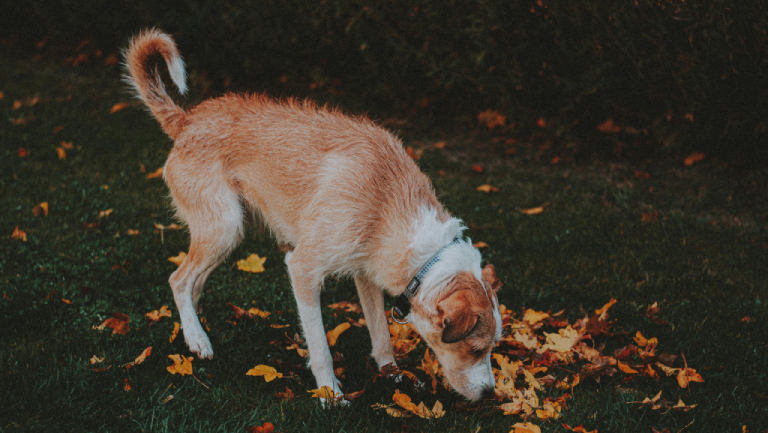
Dogs have a sense of smell that is 1,000 to 10,000 times more sensitive than a human’s
The claim that dogs can out smell humans by a ratio of 1000 to 1 highlights the extraordinary olfactory abilities of dogs compared to humans. This significant difference is due to several anatomical and functional distinctions between the canine and human olfactory systems:
Number of Olfactory Receptors:
Dogs possess approximately 300 million olfactory receptors in their noses, whereas humans have about 5-6 million. This vast difference allows dogs to detect a much wider range of scents with far greater sensitivity.
Olfactory Bulb Size:
The olfactory bulb, the brain region responsible for processing smells, is proportionally much larger in dogs than in humans. In dogs, the olfactory bulb is about 40 times larger relative to brain size, enabling them to process and interpret a greater variety of smells more efficiently.
Sniffing Mechanism:
Dogs have a specialized sniffing mechanism that enhances their ability to detect odors. When dogs sniff, air is directed to the olfactory region of their noses, and they can sniff continuously, unlike humans, who typically inhale and exhale in a single breath cycle.
Jacobsen’s Organ:
Dogs have an additional olfactory organ called Jacobsen’s organ (or the vomeronasal organ), which detects pheromones and other chemical signals that are not detectable by the main olfactory system. This organ plays a crucial role in social and reproductive behaviors.
Genetic Factors:
Genetic variations also contribute to dogs’ superior sense of smell. Certain breeds, such as Bloodhounds, are specifically bred for their olfactory capabilities and have even more enhanced smelling abilities.
These factors combine to make dogs incredibly proficient at detecting and distinguishing scents. This ability is utilized in various fields, such as search and rescue, detection of explosives and drugs, medical diagnosis, and even in conservation efforts where dogs track endangered species or detect invasive plants.
In practical terms, a dog’s olfactory prowess means they can detect substances at concentrations nearly 100 million times lower than what humans can perceive. For example, trained detection dogs can identify the presence of specific drugs or explosives even when they are present in minuscule amounts or masked by other strong odors.