

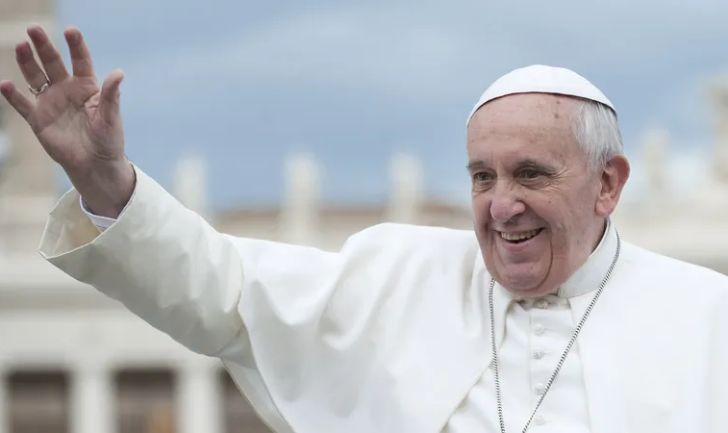
The Pope Is Unable To Play the Organ
The Pope cannot donate his organs, a fact that may seem unusual given the Catholic Church’s support for organ donation as an act of charity.

The Pope is traditionally restricted from donating an organ, primarily due to the symbolic and practical considerations tied to his unique role and responsibilities.
Symbolic Representation: The Pope is considered the spiritual leader of the Roman Catholic Church and is seen as a living symbol of the Church. His body is often viewed with a sense of sacrosanctity, meaning it is to be kept whole and intact.
Health and Safety Concerns: The Pope, especially in recent times, has typically been an elderly individual. The health risks associated with organ donation, including the impact of surgery and recovery, could be significant for someone of advanced age.
Continuity of Leadership: The Pope’s role is pivotal for the continuity and stability of the Catholic Church. Any medical procedure that could jeopardize his health or incapacitate him, even temporarily, is generally avoided.
Church Protocol and Tradition: Historically, there may not have been a need or precedent for a Pope to donate an organ. The traditions and protocols of the Vatican have evolved to maintain the dignity and functionality of the papal office, often precluding actions that are seen as potentially disruptive or diminishing the sanctity of the Pope’s person.
The Pope’s stance on organ donation is a topic that touches on theological, ethical, and practical considerations within the Catholic Church. While there is no outright prohibition against popes donating organs, several factors have traditionally influenced their ability and decision to do so.
Theological and Ethical Context
Catholic Church’s Position on Organ Donation:
The Catholic Church generally supports organ donation as an act of charity, solidarity, and self-sacrifice. This perspective was reinforced by Pope Pius XII, who in 1956 stated that organ donation is a noble and meritorious act.
Pope John Paul II, in his 1995 encyclical “Evangelium Vitae,” emphasized the value of organ donation as a way of nurturing a genuine culture of life.
Conditions for Ethical Organ Donation:
Voluntary and Informed Consent: Donors must voluntarily decide to donate, with full awareness and without coercion.
Respect for the Dignity of the Donor: The donation process must respect the donor’s dignity and bodily integrity.
Prohibition of Commercialization: Organ donation should not be commercialized or involve financial transactions.
Practical and Symbolic Considerations for the Pope
Symbolic Role of the Pope:
The Pope is seen as the spiritual leader of over a billion Catholics worldwide, symbolizing the continuity and unity of the Church.
There is a perception that the Pope’s body should remain intact due to its symbolic and sacred nature.
Canon Law and Tradition:
There is no specific canon law prohibiting the Pope from donating organs. However, historical precedent and traditional views have generally discouraged it.
Concerns about preserving the sanctity and integrity of the Pope’s body for veneration after death contribute to the reluctance.
Practical Issues:
Logistical challenges related to organ donation and transplantation, especially given the Pope’s advanced age, as most recent popes have been elderly.
Potential complications in maintaining the Pope’s body for public viewing and burial rites.
Statements and Actions by Recent Popes
Pope John Paul II:
Advocated for organ donation and transplantation, viewing it as a manifestation of love and solidarity.
Did not personally register as an organ donor, likely due to the symbolic reasons mentioned earlier.
Pope Benedict XVI:
Pope Benedict XVI carried an organ donor card before his papacy, indicating his personal support for the practice.
Upon becoming Pope, it was clarified that his organs would not be donated after his death, consistent with the traditional view of preserving the Pope’s body.
Pope Francis:
Continues to support organ donation as an act of love and altruism.
Has not explicitly stated a personal stance on donating his organs, maintaining the tradition of his predecessors.
Conclusion
While the Catholic Church strongly supports organ donation as an act of charity and love, the Pope’s unique role and the symbolic significance of his body have historically influenced the stance on organ donation. This blend of theological respect, ethical considerations, and practical issues has resulted in popes generally not donating their organs. However, the Church continues to encourage Catholics around the world to consider organ donation, highlighting its potential to save lives and foster a culture of generosity and compassion.